
Resistance Survival Guide #284
How Communities Stay Connected When Everything Else Goes Silent
When disasters strike, communication often becomes the first critical system to fail. Hurricanes can topple cell towers. Power outages can disable internet infrastructure. Flooding can isolate neighborhoods. During these moments, information becomes a survival resource. Knowing where supplies are available, which roads are open, who needs assistance, and where help can be found can make a significant difference in community safety.
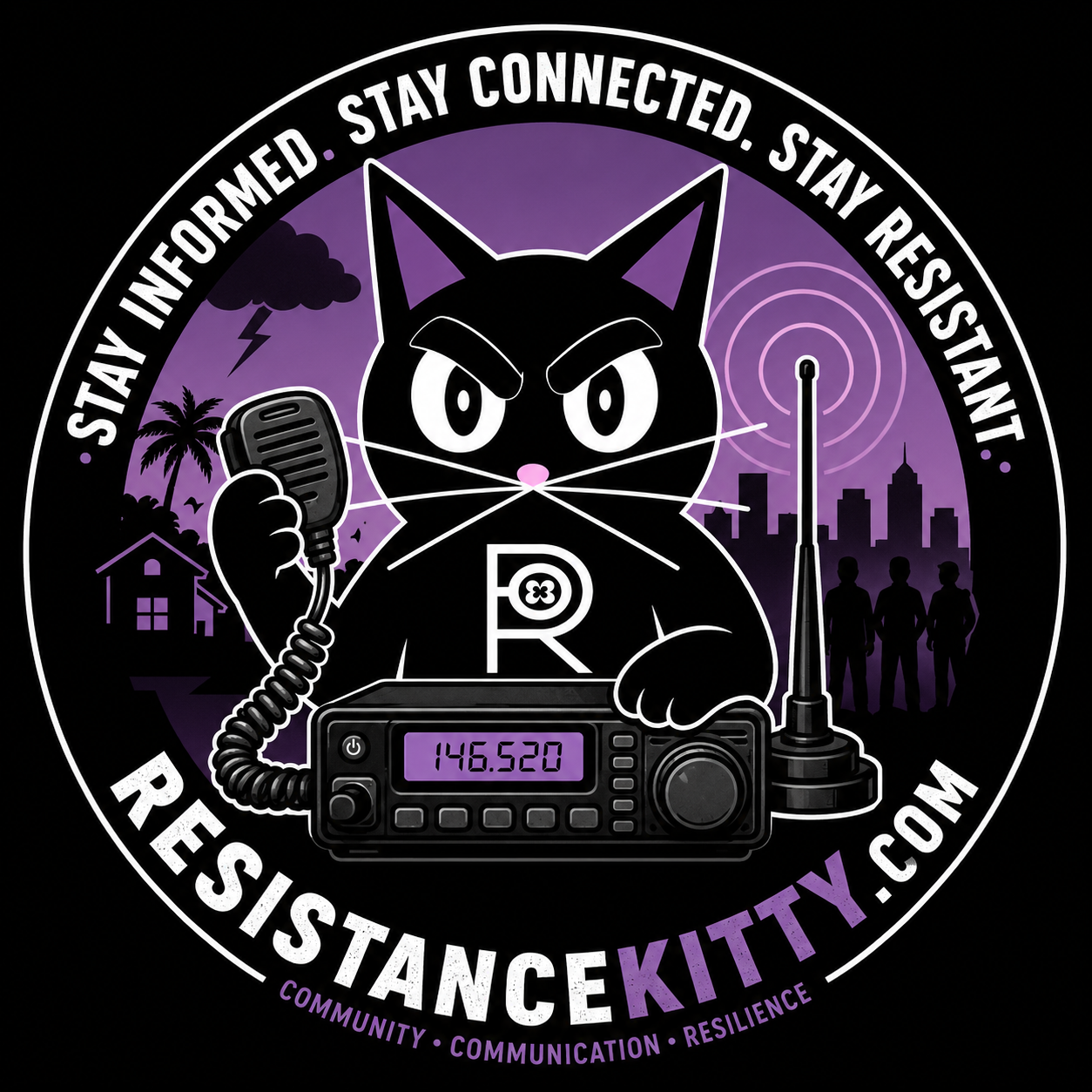
For decades, amateur radio operators have provided emergency communications during hurricanes, earthquakes, wildfires, and other disasters. Ham radio networks continue to operate when commercial systems fail because they rely on decentralized equipment, independent power sources, and trained volunteers. Communities that invest time in building local radio networks before an emergency often recover more quickly and maintain stronger coordination throughout a crisis.
Why Ham Radio Still Matters
Many people assume that smartphones have replaced radio communications. In reality, cell phones depend on extensive infrastructure including towers, fiber optic cables, power systems, and network management centers. Ham radio requires far less infrastructure and can function using battery power, solar power, generators, or portable equipment.
Organizations such as the American Radio Relay League and the Amateur Radio Emergency Service have documented countless examples of amateur radio operators providing critical communication support during disasters when conventional systems became unavailable.
Community radio networks are not designed to replace emergency services. Their purpose is to help neighbors share information, coordinate resources, identify needs, and support community resilience.
Step by Step Guide
Step 1: Identify Local Radio Operators
Every community should begin by identifying licensed amateur radio operators who already live nearby. Many communities are surprised to discover that experienced operators live just a few blocks away.
Search for local amateur radio clubs through the American Radio Relay League Club Finder. Attend meetings, introduce your preparedness group, and learn about existing emergency communication efforts. Most amateur radio operators are enthusiastic about mentoring newcomers and supporting community preparedness initiatives.
Building relationships before a crisis creates trust and familiarity that cannot be developed during an emergency.
Step 2: Encourage Community Licensing
A communication network is only as strong as the people who can use it. Encourage interested community members to obtain an amateur radio license.
The entry level Technician License in the United States provides access to many local communication frequencies and requires passing a multiple choice examination. Study materials are available through organizations such as Ham Radio Prep and the ARRL Licensing Resources.
The licensing process teaches radio procedures, emergency communication practices, and technical fundamentals that improve network effectiveness during real events.
Step 3: Establish Community Communication Channels
Once several licensed operators are involved, establish primary communication frequencies and backup options.
Create a written communication plan that identifies local repeaters, simplex frequencies, scheduled check in times, and contact procedures. Ensure all participants maintain printed copies because digital documents may become inaccessible during a power outage.
A clear plan reduces confusion and helps participants quickly reconnect when emergencies occur.
Step 4: Build Redundant Power Systems
Radio equipment is only useful if it remains powered.
Community operators should explore battery systems, solar charging equipment, portable power stations, and generator options appropriate for their circumstances. Even small handheld radios can remain operational for extended periods when paired with backup battery systems.
The goal is not expensive equipment. The goal is dependable communication capability during prolonged disruptions.
Step 5: Conduct Regular Practice Nets
A radio network that never practices will struggle during a real emergency.
Establish weekly or monthly radio check ins where participants practice communication procedures, test equipment, and become comfortable using their radios. These exercises help identify equipment problems and training needs before an actual crisis develops.
Consistent practice transforms a collection of radios into a functioning communication network.
Step 6: Connect With Community Resources
Effective emergency communication networks maintain relationships with local organizations before they are needed.
Community groups can coordinate with shelters, food distribution organizations, faith communities, neighborhood associations, and mutual aid networks. Radio operators can serve as information bridges between these organizations when normal communication systems are disrupted.
The strongest networks focus on serving people rather than simply operating equipment.
Step 7: Create an Information Verification Process
Disasters often generate confusion, rumors, and misinformation.
Community communication teams should establish procedures for verifying information before sharing it. Confirm reports through multiple sources whenever possible. Clearly distinguish between confirmed information, eyewitness observations, and unverified reports.
Accurate information builds trust. Inaccurate information can create unnecessary panic and confusion.
Step 8: Develop Neighborhood Communication Leaders
Every neighborhood should identify trusted individuals who can relay information between residents and radio operators.
These leaders can collect community needs, report emerging problems, assist vulnerable residents, and help distribute verified information. This approach extends the reach of the radio network beyond licensed operators.
A successful communication system serves the entire community, not only the people holding radios.
Recommended Independent Learning Resources
For readers interested in developing emergency communication skills, these independent and nonprofit resources provide reliable information:
- American Radio Relay League
- Amateur Radio Emergency Service
- Ham Radio Crash Course
- QRZ Amateur Radio Community
- Winlink Global Radio Email System
Closing Thoughts
Emergency preparedness is often discussed in terms of food, water, medical supplies, and equipment. Communication deserves equal attention. A community that can communicate effectively during a crisis gains the ability to coordinate resources, support vulnerable neighbors, share accurate information, and respond more effectively to changing conditions.
Ham radio remains one of the most resilient communication tools available because it empowers communities to maintain connections without depending entirely on centralized infrastructure. The best time to build those connections is long before they become necessary.
Sources
- American Radio Relay League
- Amateur Radio Emergency Service
- Federal Communications Commission Amateur Radio Service
- Winlink Global Radio Email System
- Ham Radio Crash Course
Kitty’s Resistance Projects
- Resistance Directory: https://resistancedirectory.com/
- EpsteinWiki: Epsteinwiki.com
- The Butterfly Bureau: https://butterflybureau.com/
Support Resistance Kitty’s Work
- Kitty Merch: https://rgearshop.com/
- Support Kitty: https://buymeacoffee.com/resistancekitty